Introduction
In modern retail environments, lighting is essential for product visibility and sales performance. However, continuous illumination in meat display systems has a hidden downside: it accelerates quality deterioration over time. While refrigeration slows microbial growth, it does not stop chemical reactions triggered by constant light exposure.
In meat display lighting, prolonged exposure creates a continuous oxidative environment that gradually reduces freshness, color stability, and overall product quality.
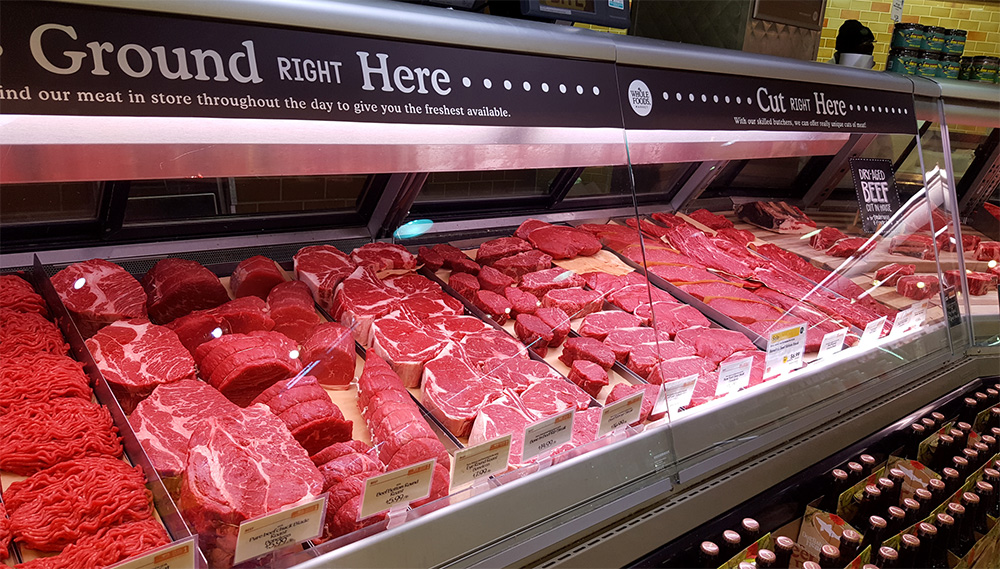
- Continuous Lighting as a Constant Energy Source: Continuous lighting means meat is exposed to light energy for long operational hours without interruption. This constant exposure provides energy that drives chemical reactions in meat tissues.
Over time, this leads to:
- Faster pigment breakdown
- Continuous oxidation cycles
- Progressive quality loss This is closely linked to myoglobin oxidation meat, which begins the visible discoloration process in retail displays.
- Why Time of Exposure Matters More Than Intensity: One of the most important factors in meat degradation is not brightness but duration. Even moderate lighting becomes damaging when exposure is constant.
Continuous exposure causes:
- Accumulated oxidative stress
- Gradual color fading
- Reduced visual freshness This process significantly increases meat degradation rate, even when refrigeration systems are functioning properly.
- Light-Induced Oxidation in Meat Surfaces: Light interacts directly with meat pigments and fats, triggering chemical reactions that accelerate deterioration. This results in light induced oxidation meat, where repeated exposure leads to faster breakdown of surface compounds. In poorly optimized meat display case lighting, this process becomes more severe due to uncontrolled wavelength exposure.
- Role of Spectral Energy in Continuous Exposure: Not all light behaves the same way. Certain wavelengths carry higher energy levels and cause faster chemical reactions.
Continuous exposure to these wavelengths increases oxidative activity significantly. This is why spectral power distribution meat lighting is critical for controlling long-term quality loss.
Poor spectral control results in:
- Faster discoloration
- Reduced meat color stability
- Accelerated surface degradation
- Myoglobin Oxidation and Color Decline: The first visible sign of continuous lighting damage is pigment change. Oxygen and light together accelerate oxidation in myoglobin.
This begins with myoglobin oxidation meat, where oxygen binds with muscle proteins and alters their structure.
As exposure continues:
- Bright red color fades
- Brown metmyoglobin forms
- Visual freshness decreases
- Lipid Breakdown Under Continuous Exposure: Fats in meat are highly sensitive to light exposure. Continuous lighting accelerates fat oxidation, producing compounds that negatively affect quality.
This leads to lipid oxidation meat, which contributes to:
- Off-odors
- Flavor degradation
- Reduced shelf life Combined with pigment oxidation, this significantly weakens meat quality preservation over time.
- Oxidative Stress and Structural Damage: Continuous lighting creates a constant oxidative environment at the meat surface. This increases instability in proteins and fats. This condition is classified as oxidative stress meat products, which directly impacts both appearance and internal quality. It also accelerates light induced food degradation, even in refrigerated environments.
- Impact on Refrigerated Display Systems: Even in temperature-controlled environments, continuous lighting disrupts product stability.
In refrigerated meat display systems:
- Surface oxidation continues despite cooling
- Color degradation occurs faster
- Product shelf life is reduced This shows that refrigeration alone cannot prevent quality loss.
- Effect on Consumer Perception and Sales: Continuous lighting not only affects chemical stability but also consumer perception.
Retail consequences include:
- Lower improve meat display sales
- Increased reduce shrink meat department losses
- Reduced customer trust in freshness
- Higher markdown frequency Even if internal quality remains acceptable, visual decline affects purchasing decisions.
- Importance of Controlled Lighting Strategies: Modern retail systems must move away from uninterrupted lighting exposure and adopt controlled strategies.
Effective food safe lighting meat systems:
- Reduce harmful wavelength exposure
- Limit oxidative activation time
- Maintain stable color appearance These systems significantly improve meat merchandising optimization in retail environments.
- Role of Advanced Commercial Lighting Solutions: Scientific lighting design helps reduce long-term exposure damage by controlling intensity and spectrum.
Modern commercial meat lighting solutions:
- Minimize oxidation triggers
- Balance visibility with preservation
- Improve consistency across display cycles This strengthens retail meat quality control and reduces unnecessary product waste.
- Why Continuous Exposure Has a Cumulative Effect: The damage caused by lighting is not immediate.it builds over time. Each hour of exposure adds to cumulative oxidative stress.
This cumulative effect:
- Weakens pigment stability
- Reduces fat quality
- Shortens visual shelf life As a result, meat freshness indicators decline progressively throughout the display period.