Introduction
Meat discoloration in retail environments is not caused by a single factor. It is the result of multiple interacting processes, especially oxygen exposure and lighting conditions inside display systems. When these two elements combine, they significantly accelerate metmyoglobin formation, leading to faster browning and reduced product appeal.
In modern meat display lighting environments, understanding this interaction is essential for maintaining freshness perception, improving sales, and reducing product loss across retail meat departments.
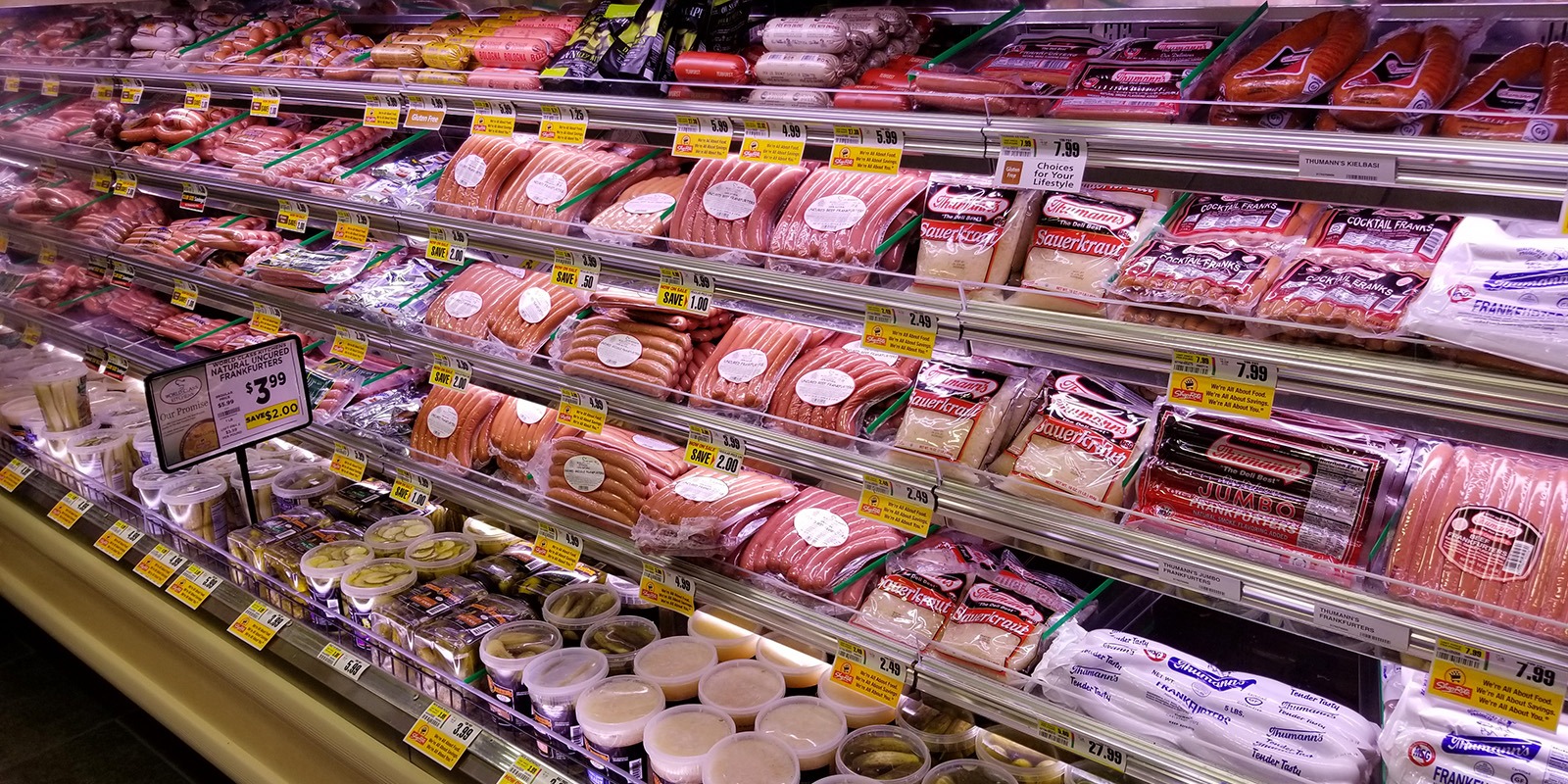
- Oxygen as the Starting Point of Discoloration: Oxygen plays a central role in meat color stability. Fresh meat initially appears bright red due to oxygen binding with myoglobin. However, prolonged exposure leads to chemical changes.
This process begins with myoglobin oxidation meat, where oxygen reacts with muscle pigments and alters their structure. Over time, this oxidation shifts meat color from red to brown.
Without oxygen control, even well-maintained refrigerated systems cannot fully preserve appearance. - How Lighting Accelerates Oxidation Reactions: Lighting is not just a visual tool in retail—it actively influences chemical reactions in meat surfaces. Certain wavelengths provide enough energy to accelerate oxidation processes.
This leads to light induced oxidation meat, where pigment breakdown happens faster under exposure to artificial lighting systems used in retail environments.
In poorly optimized meat display case lighting, oxidation rates increase significantly, reducing product shelf life. - The Combined Effect of Oxygen and Light Exposure: When oxygen and light act together, their effects multiply rather than simply add. Oxygen provides the reactant, while light provides the energy to speed up chemical change.
This interaction intensifies:- Pigment breakdown speed
- Surface discoloration
- Loss of visual freshness
It is one of the primary drivers of meat discoloration science in retail display systems.
- Spectral Influence on Oxidation Speed: Not all lighting affects meat equally. The wavelength composition determines how strongly oxidation reactions occur.
High-energy wavelengths, particularly blue light, accelerate chemical reactions more rapidly than warm spectra.
Advanced spectral power distribution meat lighting systems are designed to control these wavelengths and reduce oxidation intensity.
When spectral control is poor, meat quality deteriorates faster, reducing meat quality preservation effectiveness. - Lipid Oxidation and Its Role in Discoloration: Color changes are not driven by pigments alone. Fat oxidation also plays a major role in accelerating visual degradation.
Lipid oxidation meat produces reactive compounds that interact with myoglobin and speed up browning reactions.
This combined process leads to:- Faster discoloration
- Reduced freshness perception
- Shortened display life
It also increases overall meat degradation rate, especially under continuous lighting conditions.
- Surface Instability Under Light Exposure: Light exposure creates additional stress on meat surfaces, increasing chemical instability.
This contributes to:- Protein breakdown
- Loss of pigment integrity
- Increased oxidative reactions
These changes fall under oxidative stress meat products, which directly impact visual and structural quality in retail displays.
- Impact on Refrigerated Display Environments: Even in controlled refrigeration, lighting can disrupt stability. Oxygen remains present in display environments, meaning reactions continue at a slower but steady rate.
In refrigerated meat display systems, improper lighting design can still accelerate discoloration despite temperature control.
This makes lighting design just as important as cooling performance. - Effect on Meat Freshness Perception: Consumers rely heavily on visual cues to judge freshness. When oxygen and lighting accelerate discoloration, perception changes quickly.
Key indicators affected include:- meat freshness indicators
- Bright red color intensity
- Surface shine and texture
Once these indicators decline, customers perceive reduced quality even if the product is still safe.
- Retail Impact on Sales and Shrink: The combined effect of oxygen and lighting has direct financial consequences.
Retailers often experience:- Lower improve meat display sales
- Increased reduce shrink meat department losses
- Higher markdown frequency
- Reduced customer trust
This significantly affects performance in supermarket meat lighting environments.
- Importance of Controlled Lighting Systems: Modern retail requires lighting systems that reduce oxidation while maintaining visual appeal.
Effective food safe lighting meat solutions:- Minimize harmful wavelength exposure
- Reduce oxygen-driven reaction speed
- Maintain stable color appearance
These systems are essential for improving meat merchandising optimization and ensuring consistent product quality.
- Advanced Lighting Design for Oxidation Control: Scientific lighting design helps control both oxygen-related and light-induced reactions.
High-quality commercial meat lighting solutions:- Balance spectral output
- Reduce oxidative activation
- Improve display consistency
This supports stronger retail meat quality control and reduces unnecessary product waste.
Conclusion
The interaction between oxygen exposure and lighting is one of the most important factors influencing meat discoloration in retail environments. Oxygen initiates oxidation, while light accelerates it together, they significantly increase metmyoglobin formation and reduce visual freshness.
By optimizing meat display lighting and controlling spectral exposure, retailers can slow discoloration, improve meat color stability, and enhance overall product performance.
For More Information
For more insights on advanced meat lighting technologies and retail display optimization, visit https://www.meatlighting.com. The platform provides specialized solutions designed to improve meat color stability, enhance display performance, and support efficient supermarket meat merchandising systems.