Introduction
In retail meat environments, visual freshness is often judged within seconds. One of the most important performance indicators is time-to-discoloration.the period it takes for meat to shift from a bright red appearance to a dull brown tone. This change is strongly influenced by environmental factors, especially lighting conditions inside meat display lighting systems.
Even under refrigeration, lighting can significantly shorten appearance cycles, making products look less fresh long before actual spoilage occurs.
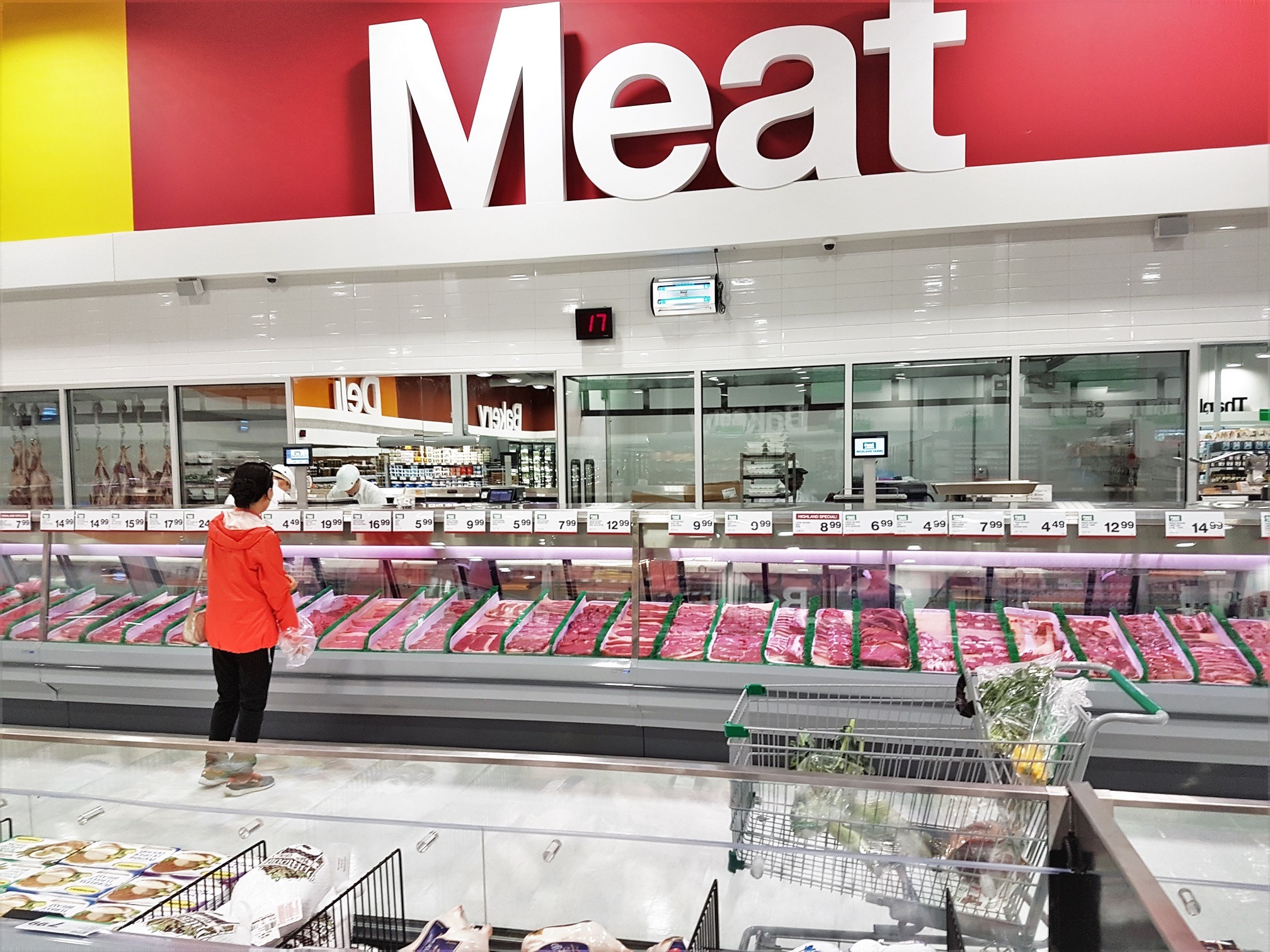
- Understanding Time-to-Discoloration in Meat: Time-to-discoloration refers to how quickly meat changes color after being placed in a display environment. This process is closely tied to meat discoloration science, which explains how oxygen, light, and biochemical reactions interact.
The key color change happens when:
- Myoglobin oxidizes
- Oxygen reacts with pigments
- Metmyoglobin begins to accumulate This process determines the visible shelf life of meat in retail systems.
- Role of Myoglobin Oxidation in Appearance Cycles: The first stage of discoloration begins with myoglobin oxidation meat, where oxygen binds to muscle proteins and alters their structure.
As oxidation progresses:
- Bright red color fades
- Purplish tones disappear
- Brown coloration appears This transformation defines the visual cycle of freshness and directly affects meat freshness indicators used by customers.
- How Lighting Accelerates Appearance Changes: Lighting plays a direct role in speeding up oxidation reactions on the meat surface. Certain wavelengths provide energy that accelerates pigment breakdown. This leads to light induced oxidation meat, where color changes occur faster under artificial lighting conditions commonly used in retail displays. In poorly optimized meat display case lighting, this process becomes even more rapid due to continuous exposure.
- Spectral Influence on Discoloration Speed: Not all lighting affects meat equally. The spectral composition of light determines how quickly chemical reactions occur.
High-energy wavelengths, especially blue light, increase oxidation speed significantly.
Advanced spectral power distribution meat lighting systems are designed to control these wavelengths and slow down discoloration cycles.
When spectrum control is poor:
- Color fades faster
- Appearance cycles shorten
- Product freshness perception declines
- Lipid Oxidation and Faster Visual Breakdown: Discoloration is not only caused by pigment changes. Fat oxidation also contributes to visual quality loss. Lipid oxidation meat processes produce reactive compounds that accelerate pigment breakdown and dull appearance. This combined effect increases overall meat degradation rate, especially in exposed retail environments.
- Environmental Interaction with Lighting: Lighting does not act alone. It interacts with oxygen and temperature at the surface level.
Even minor increases in surface temperature caused by lighting can speed up oxidation reactions, resulting in:
- Faster browning
- Reduced color stability
- Shortened appearance cycles This is especially critical in refrigerated meat display systems where multiple variables interact simultaneously.
- Oxidative Stress and Surface Instability: Continuous exposure to light creates oxidative stress on meat surfaces, making them more chemically unstable.
This leads to:
- Protein breakdown
- Fat degradation
- Increased radical formation These reactions fall under oxidative stress meat products, which directly impact appearance stability.
- Why Appearance Cycles Vary Across Displays: Different display environments produce different time-to-discoloration outcomes due to variations in lighting design.
Factors include:
- Light intensity
- Spectral distribution
- Exposure duration
- Case design Poor control of these factors shortens meat color stability and reduces overall product appeal.
- Impact on Retail Performance: When time-to-discoloration is short, products lose visual appeal quickly, even if still safe for consumption.
Retail consequences include:
- Lower improve meat display sales
- Increased reduce shrink meat department losses
- Higher product markdown frequency
- Reduced customer confidence This significantly affects profitability in supermarket meat lighting environments.
- Importance of Controlled Lighting Systems: Modern retail systems require lighting that slows down appearance degradation rather than accelerating it.
Effective food safe lighting meat solutions:
- Reduce harmful wavelength exposure
- Slow oxidation reactions
- Extend visual freshness duration This improves meat merchandising optimization and enhances display consistency.
- Role of Advanced Commercial Lighting Design: Scientific lighting design helps regulate both intensity and spectrum to control appearance cycles.
High-quality commercial meat lighting solutions:
- Minimize oxidation triggers
- Improve visual consistency
- Extend shelf appearance life These systems support stronger retail meat quality control and reduce unnecessary product waste.