Introduction
Flavor stability is one of the most important quality attributes in retail meat products, yet it is often compromised long before the product is visibly spoiled. A major cause behind this decline is lipid oxidation meat, a chemical process that breaks down fats and generates off-flavors even when meat still appears visually acceptable in display cases.
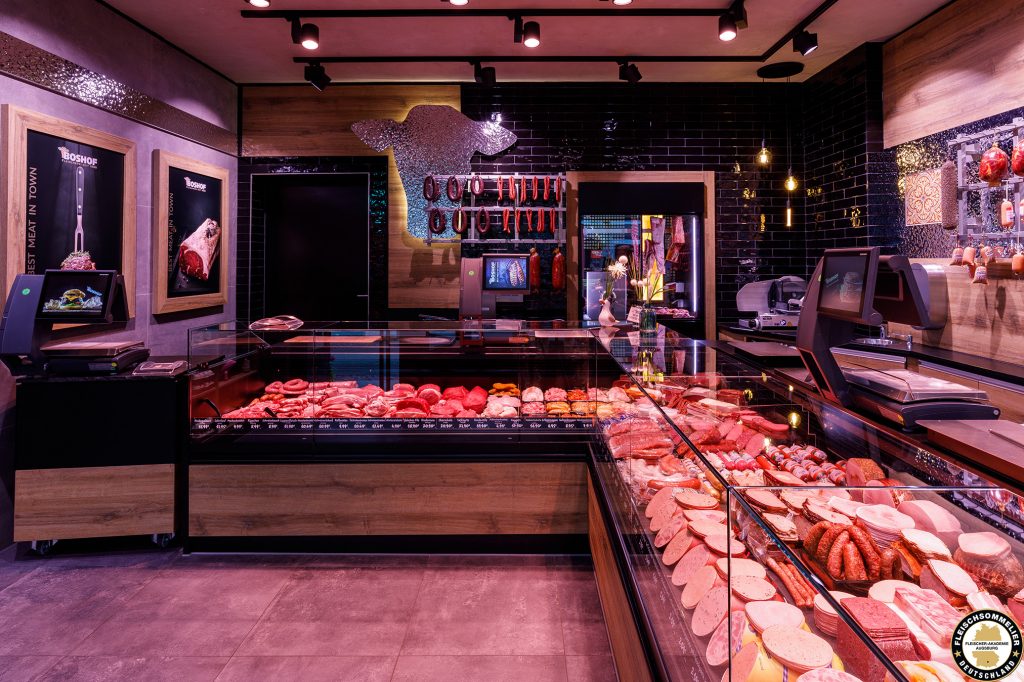
In modern retail environments, especially under meat display lighting, oxidation is not just a storage issue but a display-driven reaction influenced by oxygen, light exposure, and time.
- Understanding Lipid Oxidation in Meat: Lipid oxidation is a chemical reaction where fats in meat react with oxygen, leading to the formation of unstable compounds. These compounds degrade flavor, aroma, and overall eating quality.
This process is a core component of meat discoloration science, because it does not only affect color but also impacts taste perception and freshness.
As oxidation progresses:- Fresh meat aroma weakens
- Off-flavors develop
- Product acceptability decreases
Even before visible changes appear, internal quality has already declined.
- Role of Myoglobin and Oxidative Reactions: Flavor deterioration is closely linked to pigment and fat interactions. When oxygen reacts with muscle pigments, it triggers a chain reaction involving fats.
This begins with myoglobin oxidation meat, which destabilizes cellular structure and increases susceptibility to oxidation.
As this continues, chemical instability spreads through the product, accelerating flavor loss. - How Light Exposure Accelerates Lipid Breakdown: Light plays a direct role in speeding up fat oxidation in displayed meat products. Certain wavelengths provide energy that triggers oxidative reactions.
This leads to light induced oxidation meat, where fat molecules break down faster under retail lighting conditions.
In poorly optimized meat display case lighting, these reactions intensify, reducing both flavor stability and shelf life. - Spectral Influence on Flavor Stability: Not all lighting affects meat equally. The spectral composition determines how strongly oxidation reactions occur.
High-energy wavelengths, especially blue light, accelerate oxidation processes significantly.
Advanced spectral power distribution meat lighting systems are designed to control these wavelengths and reduce oxidative damage, helping maintain better meat quality preservation over time. - Oxygen Interaction and Flavor Degradation: Oxygen is essential for oxidation reactions. In display environments, constant exposure to air ensures continuous reaction activity.
When combined with light exposure, oxygen accelerates breakdown of lipids, leading to faster flavor loss.
This interaction is a major contributor to reduced meat freshness indicators, even when refrigeration conditions are stable. - Formation of Off-Flavors and Chemical Byproducts: As lipid oxidation progresses, unstable compounds form, including aldehydes and ketones. These compounds are responsible for rancid or stale flavors.
This process directly increases meat degradation rate, making products less appealing even before spoilage is visible.
These changes are particularly noticeable in refrigerated meat display environments where products are exposed for long durations. - Impact on Meat Display Performance: Flavor stability is closely linked to sales performance. When lipid oxidation increases, customer satisfaction declines even if visual appearance remains acceptable.
Retail consequences include:- Lower improve meat display sales
- Increased reduce shrink meat department losses
- Reduced repeat purchases
- Higher markdown frequency
This significantly affects profitability in supermarket meat lighting environments.
- Role of Food-Safe Lighting in Controlling Oxidation: Lighting systems can either accelerate or slow down oxidation depending on their design.
Effective food safe lighting meat systems:- Reduce harmful wavelength exposure
- Limit oxidative reactions in fats
- Maintain better product stability
These systems are essential for protecting flavor quality in retail meat displays.
- Importance of Commercial Lighting Solutions: Modern retail requires scientifically designed lighting systems that balance visibility and product protection.
Advanced commercial meat lighting solutions help:- Control spectral output
- Reduce oxidation triggers
- Improve overall display quality
This supports stronger retail meat quality control and reduces unnecessary product loss.
- Connection Between Flavor Loss and Merchandising Strategy: Flavor degradation directly affects merchandising effectiveness. Even if meat looks fresh, poor flavor stability reduces customer satisfaction after purchase.
Strong meat merchandising optimization strategies ensure:- Proper display rotation
- Reduced exposure time
- Improved product turnoverThis helps maintain consistent quality and reduces long-term waste.
Conclusion
Lipid oxidation plays a critical role in determining flavor stability in displayed meat products. While often invisible at early stages, it significantly impacts taste, aroma, and overall consumer satisfaction. Factors such as oxygen exposure, light spectrum, and display duration all contribute to this process.
By using optimized meat display lighting and scientifically controlled systems, retailers can slow oxidation, improve meat color stability, and maintain stronger flavor quality throughout the product’s display life.
For More Information
For more insights on advanced meat lighting technologies and retail display optimization, visit https://www.meatlighting.com. The platform provides specialized solutions designed to improve meat color stability, enhance display performance, and support efficient supermarket meat merchandising systems.