Introduction
In retail meat environments, temperature control is usually associated with refrigeration systems. However, a less visible but highly important factor is micro-temperature increases at the meat surface. These small, localized temperature changes can significantly accelerate spoilage rates even when the overall display case temperature appears stable.
In modern meat display lighting environments, radiant heat from lighting systems and continuous exposure create uneven thermal conditions that directly impact meat quality preservation and shorten shelf life.
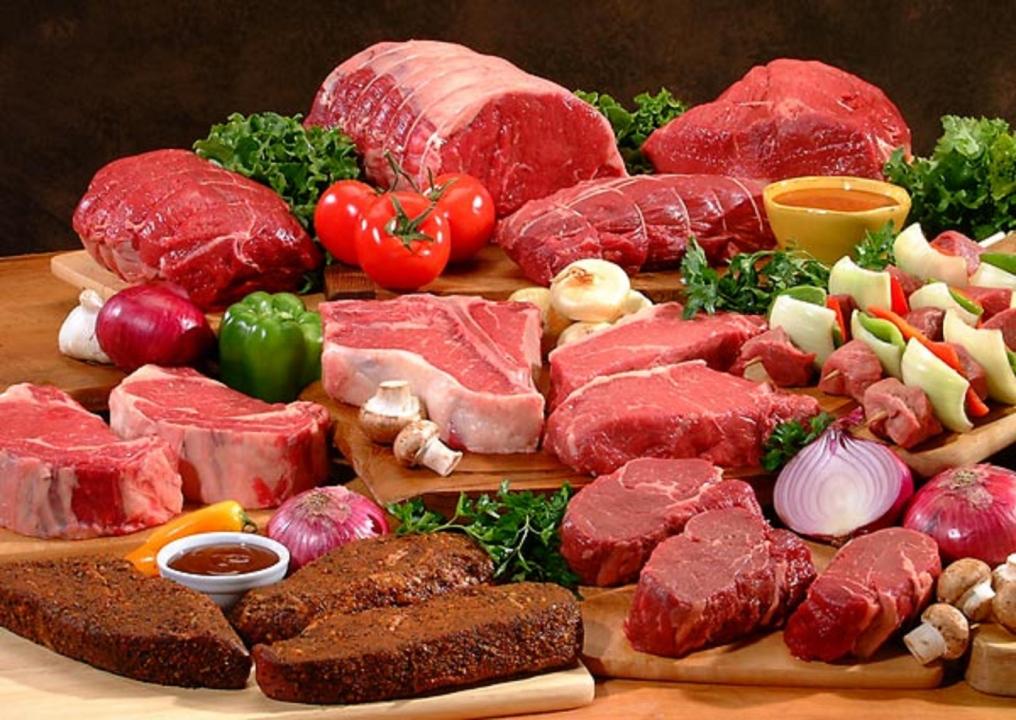
- Understanding Micro-Temperature at Meat Surfaces: Micro-temperature refers to small, localized increases in temperature at the surface of meat that differ from the surrounding refrigerated air. These changes are often subtle but biologically significant.
Unlike bulk temperature, surface micro-temperature affects:
- Chemical reaction speed
- Oxidation rate
- Enzyme activity
- This makes it a key factor in meat degradation rate, especially in exposed retail displays.
- Why Surface Temperature Changes Faster Than Air Temperature: Air inside refrigerated cases is controlled, but meat surfaces respond differently because they absorb energy directly from lighting and surrounding conditions.
This leads to:
- Localized warming on exposed areas
- Faster reaction zones on the surface
- Uneven spoilage patterns These variations strongly influence meat freshness indicators, even when refrigeration appears stable.
- Role of Lighting in Surface Heating: Lighting is one of the main contributors to micro-temperature increases in meat displays. Even low-energy lighting systems produce radiant heat that accumulates on product surfaces. In poorly optimized meat display lighting, this effect becomes more pronounced, especially during long operating hours. This heat does not significantly change room temperature but directly impacts surface chemistry.
- Light-Induced Oxidation and Heat Interaction: Heat and light work together to accelerate oxidation reactions.
This leads to light induced oxidation meat, where both energy sources combine to speed up pigment and fat breakdown.
As temperature increases even slightly:
- Reaction rates double or increase rapidly
- Pigments become unstable
- Surface spoilage accelerates This directly affects meat color stability, making meat appear older faster.
- Myoglobin Sensitivity to Temperature Changes: The protein responsible for meat color, myoglobin, is highly sensitive to temperature fluctuations.
Small increases trigger myoglobin oxidation meat, which leads to:
- Faster red-to-brown transition
- Loss of visual freshness
- Early appearance of spoilage This is why surface temperature control is critical in retail environments.
- Lipid Oxidation Accelerated by Micro-Heat: Fat molecules are also highly reactive to temperature changes. Even slight warming at the surface accelerates breakdown.
This results in lipid oxidation meat, producing compounds that:
- Reduce flavor quality
- Create off-odors
- Accelerate visible spoilage This combined reaction increases overall meat degradation rate in display systems.
- Oxidative Stress at Surface Level: Micro-temperature increases create an environment that enhances oxidative stress in meat tissues.
This leads to:
- Protein instability
- Free radical formation
- Cellular breakdown These reactions are categorized under oxidative stress meat products, which directly impact both appearance and safety perception.
- Impact on Refrigerated Display Systems: Even in properly cooled environments, micro-temperature differences can exist at the surface level.
In refrigerated meat display systems:
- Surface warms faster than internal layers
- Spoilage begins unevenly
- Visual quality declines before microbial spoilage This shows that refrigeration alone is not enough to control quality loss.
- Why Spoilage Appears Before Actual Spoilage: One of the biggest retail challenges is that meat often looks spoiled before it is actually unsafe.
This happens because:
- Surface reactions are faster than internal changes
- Pigment breakdown occurs early
- Visual indicators deteriorate first This makes meat freshness indicators heavily dependent on surface conditions rather than internal quality.
- Role of Continuous Display Lighting: Continuous lighting increases radiant heat exposure over time, which contributes to micro-temperature buildup.
In meat display case lighting, this leads to:
- Persistent surface warming
- Faster oxidation cycles
- Reduced shelf life perception Even small increases in exposure time significantly impact freshness.
- Impact on Retail Performance: Micro-temperature increases directly influence commercial outcomes.
Retail consequences include:
- Lower improve meat display sales
- Increased reduce shrink meat department losses
- More frequent markdowns
- Reduced customer trust This is especially important in supermarket meat lighting environments where visual appeal drives purchasing.
- Importance of Food-Safe Lighting Systems: Modern retail systems must control both light and heat emissions to reduce surface temperature changes.
Effective food safe lighting meat solutions:
- Minimize radiant heat output
- Reduce surface warming
- Slow oxidation reactions This improves meat merchandising optimization and extends product display life.
- Advanced Lighting Design for Thermal Control: Scientific lighting systems are designed to balance visibility and thermal impact.
High-quality commercial meat lighting solutions:
- Control heat emission
- Optimize spectral output
- Reduce surface-level stress These systems support stronger retail meat quality control and reduce unnecessary product waste.