Introduction
In retail meat environments, product freshness is not only determined by temperature and packaging but also by how long the product is exposed to light. While many retailers focus on refrigeration, the cumulative effect of lighting over time plays a critical role in reducing shelf life. This phenomenon is known as cumulative light exposure, and it has a direct impact on meat display lighting performance in supermarkets and butcher shops.
Even when conditions appear stable, continuous exposure to light gradually accelerates chemical reactions in meat, reducing both appearance and quality.
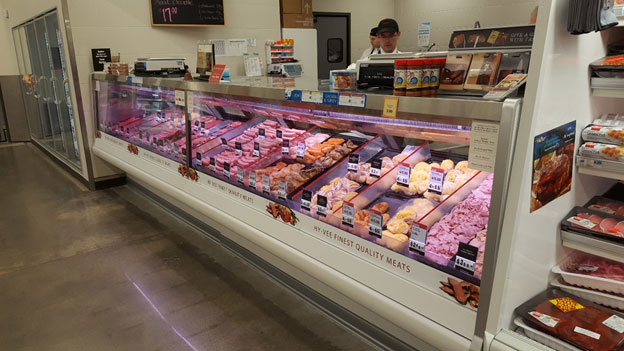
- What Cumulative Light Exposure Means:Cumulative light exposure refers to the total amount of light energy absorbed by meat over time. It is not just intensity that matters, but duration of exposure.
Over time, this exposure leads to:
- Pigment breakdown
- Fat oxidation
- Gradual color deterioration This process is strongly linked to meat discoloration science, as it explains why meat changes color even under refrigeration.
- Why Time Matters More Than Brightness: Many retailers assume brighter lighting is the main problem, but duration is often more damaging.
Even moderate lighting can cause serious effects if exposure is continuous, including:
- Faster surface oxidation
- Gradual loss of brightness
- Reduced visual freshness This contributes directly to myoglobin oxidation meat, which is the primary driver of color change in retail displays.
- Role of Light in Oxidation Accumulation: Each second of light exposure adds energy to the meat surface, gradually increasing chemical instability. This leads to light induced oxidation meat, where repeated exposure causes cumulative damage rather than instant spoilage. In meat display case lighting, this effect becomes more significant because products remain under illumination for long operating hours.
- Spectral Quality and Exposure Impact: Not all light contributes equally to degradation. The spectrum of light determines how much damage accumulates over time. High-energy wavelengths accelerate oxidation faster than warm tones. This is why spectral power distribution meat lighting is critical in controlling long-term exposure effects. Poor spectral design increases cumulative damage and reduces meat quality preservation efficiency.
- Lipid Oxidation and Long-Term Degradation: Over time, light exposure also affects fat stability in meat.
Lipid oxidation meat processes accumulate gradually, producing compounds that:
- Reduce flavor quality
- Increase rancid odors
- Accelerate visible spoilage This combined effect increases overall meat degradation rate, especially in high-traffic retail environments.
- Oxygen and Light Working Together Over Time: Oxygen exposure alone is slow, but when combined with continuous light exposure, reactions accelerate significantly.
This combination intensifies:
- Pigment breakdown
- Fat instability
- Surface discoloration It also reduces effectiveness of refrigerated meat display systems if exposure is not properly controlled.
- Impact on Meat Freshness Indicators: As cumulative exposure increases, visible signs of freshness decline become more noticeable.
These include:
- Loss of bright red color
- Dull surface appearance
- Reduced shine and texture quality These changes weaken meat freshness indicators, leading customers to perceive lower quality even when meat is still safe.
- Retail Consequences of Continuous Exposure: Cumulative light exposure has a direct impact on sales performance and product waste.
Retailers often experience:
- Lower improve meat display sales
- Increased reduce shrink meat department losses
- Higher product markdown rates
- Reduced consumer trust This significantly affects profitability in supermarket meat lighting environments.
- Importance of Controlled Lighting Systems: Modern retail environments require controlled lighting systems that reduce cumulative exposure damage.
Effective food safe lighting meat systems:
- Limit harmful wavelength exposure
- Reduce total oxidative load
- Maintain color stability longer This improves meat merchandising optimization and extends visual freshness duration.
- Role of Advanced Lighting Design: Scientific lighting design focuses on reducing cumulative damage rather than only improving brightness.
Modern commercial meat lighting solutions:
- Control exposure time impact
- Reduce oxidative buildup
- Maintain consistent visual quality These systems support stronger retail meat quality control and reduce unnecessary waste.
- Why Shelf Life Is Visually Reduced Before Spoilage: One of the most important retail challenges is that meat often looks old before it is actually spoiled.
This happens because cumulative exposure:
- Breaks down pigments first
- Affects appearance before internal quality
- Reduces consumer confidence early As a result, meat color stability becomes the first visible indicator of declining shelf life.