How better insulation reduces fogging and product risk
Condensation in refrigerated display cases is one of the most common challenges grocery retailers face. While refrigeration keeps products cold, surface moisture on glass panels, shelves, and product packaging can accumulate, causing fogging, dripping, and even mold growth. These issues not only affect the visual appeal of perishable products but can also pose food safety risks and increase operational costs. One of the most effective solutions is the use of night covers combined with strategic refrigeration management, creating an insulated environment that minimizes condensation while preserving product quality.
How Condensation Occurs in Refrigerated Display Cases?
Condensation forms when warm, humid air comes into contact with cold surfaces. In grocery display cases, this can happen due to:
- Opening and closing of display doors, allowing ambient air to enter
- Temperature fluctuations from compressor cycling or defrost cycles
- High humidity environments within the store
- Surface temperature differences on glass panels, shelves, and product packaging
When condensation forms, it can lead to:
- Fogged glass, obscuring products and reducing customer engagement
- Wet shelves, increasing the risk of slipping hazards or damage to packaging
- Accelerated product spoilage, particularly for bakery, produce, and meat items
These problems not only reduce visual appeal but also impact sales and increase labor costs due to additional cleaning and handling requirements.
The Role of Night Covers in Condensation Prevention
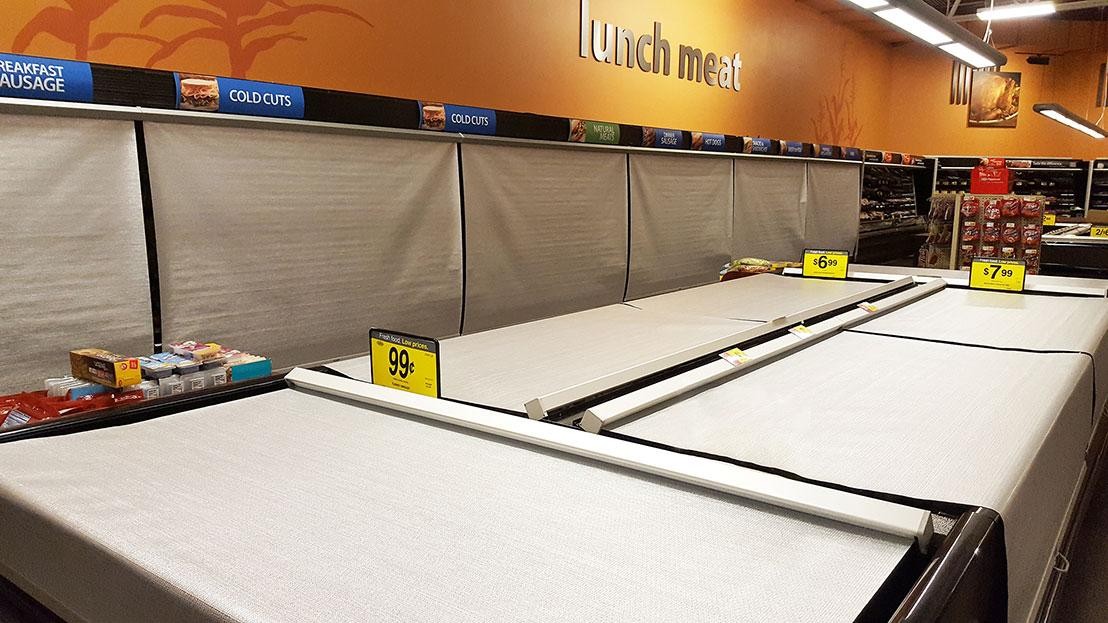
Night covers, such as Econofrost night covers, are specifically designed to insulate refrigerated display cases during non-business hours. By physically covering open cases, night covers:
- Reduce air exchange between the cold case and warmer store environment
- Minimize surface temperature fluctuations, preventing condensation from forming on glass and products
- Maintain a stable internal humidity, preserving surface moisture on produce, meats, and bakery items
- Reduce compressor workload, saving energy while keeping cases at optimal temperatures
These benefits collectively lead to improved product integrity, enhanced presentation, and reduced energy costs.
Practical Advantages for Retailers
Implementing night covers in refrigerated cases offers multiple operational and financial advantages:
- Improved Product Visibility: When glass panels remain clear and fog-free, products are fully visible to customers immediately upon store opening. This first impression is critical for driving sales, particularly for premium products like seafood, fresh meats, and bakery items.
- Reduced Labor for Cleaning and Maintenance: Less condensation means fewer wet surfaces, reducing the time and resources needed to clean shelves and display cases each morning. Staff can focus on stocking and customer service rather than correcting moisture-related issues.
- Minimized Spoilage and Waste: Stable temperatures and humidity levels protect products from drying out or becoming damaged by water droplets. Fresh produce retains crispness, meats maintain moisture, and bakery items preserve texture, directly impacting shrink reduction and profitability.
- Energy Efficiency: Night covers help refrigeration systems operate more efficiently by reducing temperature fluctuations. Compressors cycle less frequently, reducing electricity consumption and extending equipment life.
- Food Safety Compliance: Minimizing condensation and moisture accumulation helps stores comply with food safety regulations, reducing the risk of microbial growth on surfaces and products.
Integrating Night Covers With Food-Safe Lighting
For maximum protection, night covers can be combined with food-safe LED lighting. Standard lighting can contribute to surface temperature fluctuations and even heat generation, which may worsen condensation issues. By using balanced-spectrum lighting such as Promolux, retailers can:
- Maintain color accuracy and visual appeal for perishable products
- Limit heat output that contributes to condensation formation
- Complement the insulation provided by night covers, creating a stable display environment
Together, night covers and food-safe lighting form a comprehensive strategy to prevent moisture-related problems, extend product shelf life, and maintain shopper confidence.
Best Practices for Night Cover Use
Retailers can optimize the effectiveness of night covers by considering the following:
- Proper sizing: Ensure the cover fully fits the display case to maximize insulation
- Material selection: Use durable, insulating materials that resist moisture and maintain shape over time
- Routine maintenance: Clean covers regularly to prevent contamination and maintain hygiene
- Staff training: Ensure employees understand the correct procedure for applying and removing covers to avoid accidental damage to products or cases
Case Examples
Stores that have implemented night covers report measurable improvements:
- Produce sections show less wilting and retain natural moisture longer
- Meat counters maintain consistent surface temperature, reducing the risk of discoloration or drying
- Bakery displays retain product softness and prevent glaze or frosting from forming condensation droplets
These improvements directly translate into higher customer satisfaction, reduced waste, and lower operational costs, demonstrating the tangible benefits of night covers in everyday grocery operations.
Conclusion
Condensation is an invisible but significant threat to product quality and store efficiency. By implementing night covers, retailers can effectively reduce surface moisture, maintain stable temperatures, and protect perishable products from damage during non-business hours. Combined with proper food-safe lighting and strategic refrigeration management, night covers ensure that products remain visually appealing, safe, and fresh for customers.For more information visit www.foodsafedisplays.com