The scientific link between the light spectrum and moisture retention
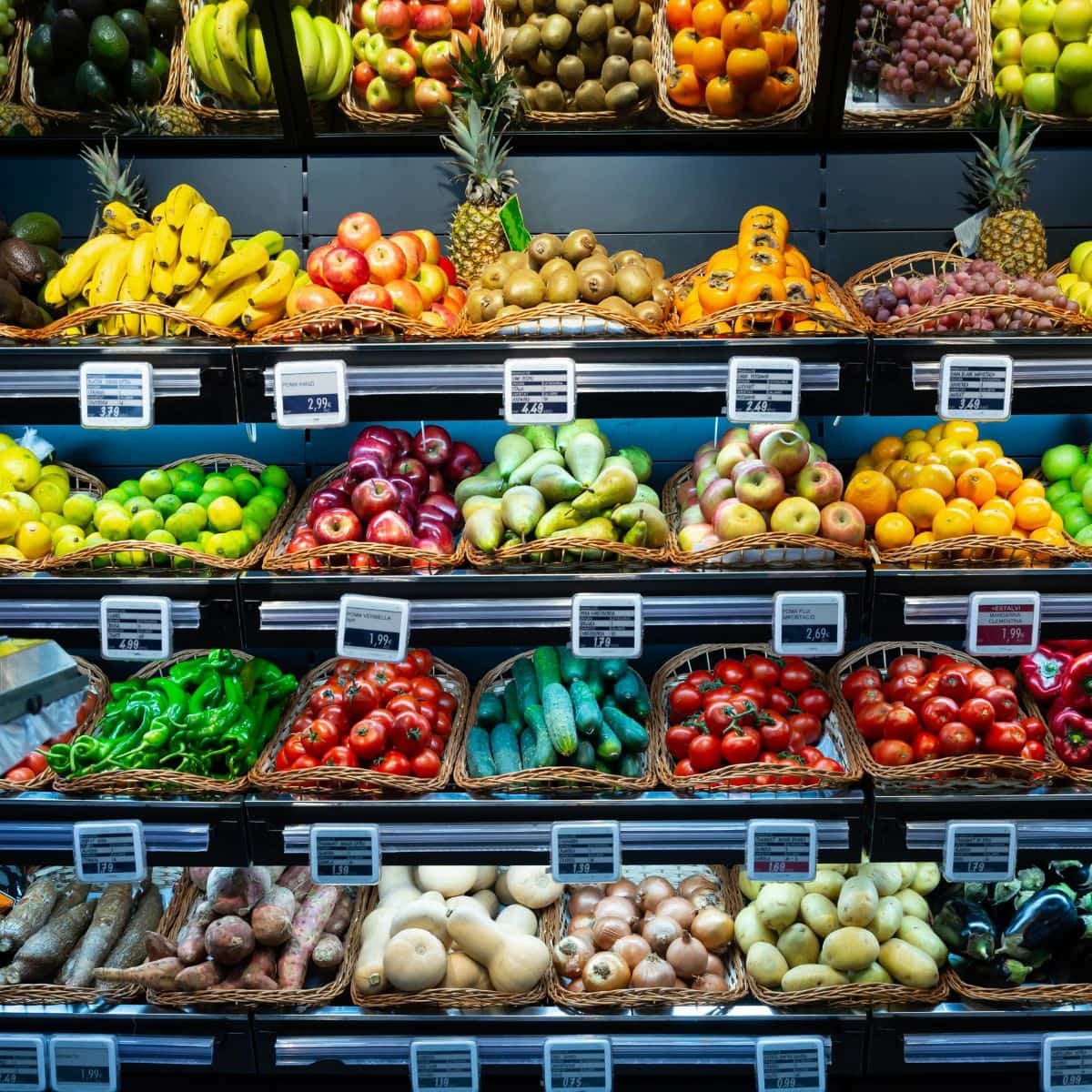
In grocery stores and specialty food retailers, the visual appeal of perishable products is one of the first factors influencing purchase decisions. Shoppers often judge freshness, quality, and edibility within seconds of seeing a product. Two critical elements that affect these perceptions are surface moisture and natural color. Even when food is stored at the correct temperature, poor lighting can accelerate drying, color degradation, and visual deterioration, causing products to appear older or less fresh than they truly are. Implementing food-safe lighting is therefore essential for maintaining both product quality and shopper confidence.
Understanding the Science Behind Light and Food Quality
All light sources emit electromagnetic radiation, but the wavelength and intensity of the light determine how it interacts with food. Standard commercial LEDs, fluorescent tubes, and halogen lights often emit high-energy wavelengths that can:
- Accelerate oxidation, causing pigments in fruits, vegetables, and meats to break down
- Increase moisture loss, particularly on exposed surfaces of produce, bakery items, and meats
- Generate heat, which raises surface temperature and increases evaporation
These effects can reduce the perceived freshness of products, even when refrigeration is adequate. In contrast, food-safe LED lighting is engineered to minimize harmful wavelengths while maintaining accurate color rendering, referred to as CPI in food retail. This balanced-spectrum lighting helps retain natural hues and surface moisture, keeping products visually appealing for longer.
How Surface Drying Occurs?
Surface drying occurs when water evaporates from the outer layer of a product. Factors contributing to this problem include:
- High-intensity lighting focused directly on the product
- Airflow in open display cases
- Ambient temperature fluctuations
When the surface dries, products lose gloss, develop rough textures, and may even shrink slightly. For example, leafy greens may wilt at the edges, berries may appear shriveled, and sliced meats may lose their plump, moist appearance. Customers often perceive these signs as indicators of age or poor handling, which can negatively impact their purchase decision.
Color Loss and the Role of the Light Spectrum
Color is another critical cue for freshness. Natural pigments, such as chlorophyll in greens, anthocyanins in berries, and myoglobin in meats, are highly sensitive to light exposure. High-energy wavelengths can trigger photo-oxidation, leading to:
- Fading of vibrant hues, making produce look less appealing
- Discoloration in meats, causing them to appear brown or gray
- Loss of sheen on bakery products, reducing visual texture and gloss
By using food-safe LED lighting with carefully engineered spectra, retailers can limit these reactions, maintaining the natural appearance of items on display. This not only preserves freshness perception but also encourages repeat purchases and strengthens brand reputation.
Practical Benefits of Food-Safe Lighting
Implementing food-safe lighting in refrigerated and ambient displays provides several advantages:
- Reduced Surface Drying: By minimizing heat and harmful wavelengths, moisture retention is improved, keeping produce, meats, and bakery items looking fresh.
- Maintained Natural Color: Balanced-spectrum lighting protects pigments from fading, ensuring that the products maintain their visual appeal.
- Longer Shelf Life: When surface moisture and color are preserved, items remain visually saleable for longer periods, reducing shrink and waste.
- Enhanced Shopper Confidence: Customers associate visually fresh and vibrant products with higher quality, increasing trust and encouraging repeat visits.
- Operational Efficiency: Less frequent rotations and product discards free up staff time and reduce operational costs.
Combining Lighting With Other Preservation Strategies
Food-safe lighting works best when integrated with additional measures:
- Night covers help maintain temperature stability and reduce airflow over products during non-business hours, complementing the protective effect of food-safe lighting.
- Consistent refrigeration ensures that surface moisture is not lost due to temperature fluctuations.
- Strategic placement of lights prevents direct exposure on sensitive areas, further limiting drying and color degradation.
By adopting a comprehensive approach that addresses both light and temperature, retailers can ensure optimal product presentation and shelf-life extension.
Case Examples
Retailers who have implemented food-safe lighting report measurable improvements:
- Produce sections maintain crispness and natural color for longer periods, increasing customer satisfaction and reducing waste.
- Meat counters retain red and pink hues, improving visual quality and reducing the perception of spoilage.
- Bakery displays show less surface drying, preserving gloss on pastries, cakes, and bread.
These improvements directly correlate with increased sales, reduced returns, and a stronger reputation for product quality.
Conclusion
Surface drying and color loss are invisible yet powerful factors that influence customer perception and store profitability. By using food-safe LED lighting, retailers can preserve moisture and maintain the natural appearance of perishables. This ensures that products remain visually appealing, supports repeat purchases, and reinforces shopper confidence. For grocery stores, specialty markets, and supermarkets aiming to protect freshness, reduce waste, and enhance customer trust, investing in high-quality display lighting is a strategic choice.For information visit www.foodsafedisplays.com