How harmful lights, oxygen exposure, and case airflow combine and what you can adjust fast
For grocery stores and butcher shops, the visual appeal of fresh meat is critical. Shoppers judge quality primarily by color, and even a small shift toward brown can suggest spoilage, reducing sales and increasing waste. While some managers assume discoloration is inevitable or due to the supplier, many causes are operational and fixable without changing meat sources. Understanding the factors behind brown edges and uneven color is essential for reducing shrink and maintaining customer trust.
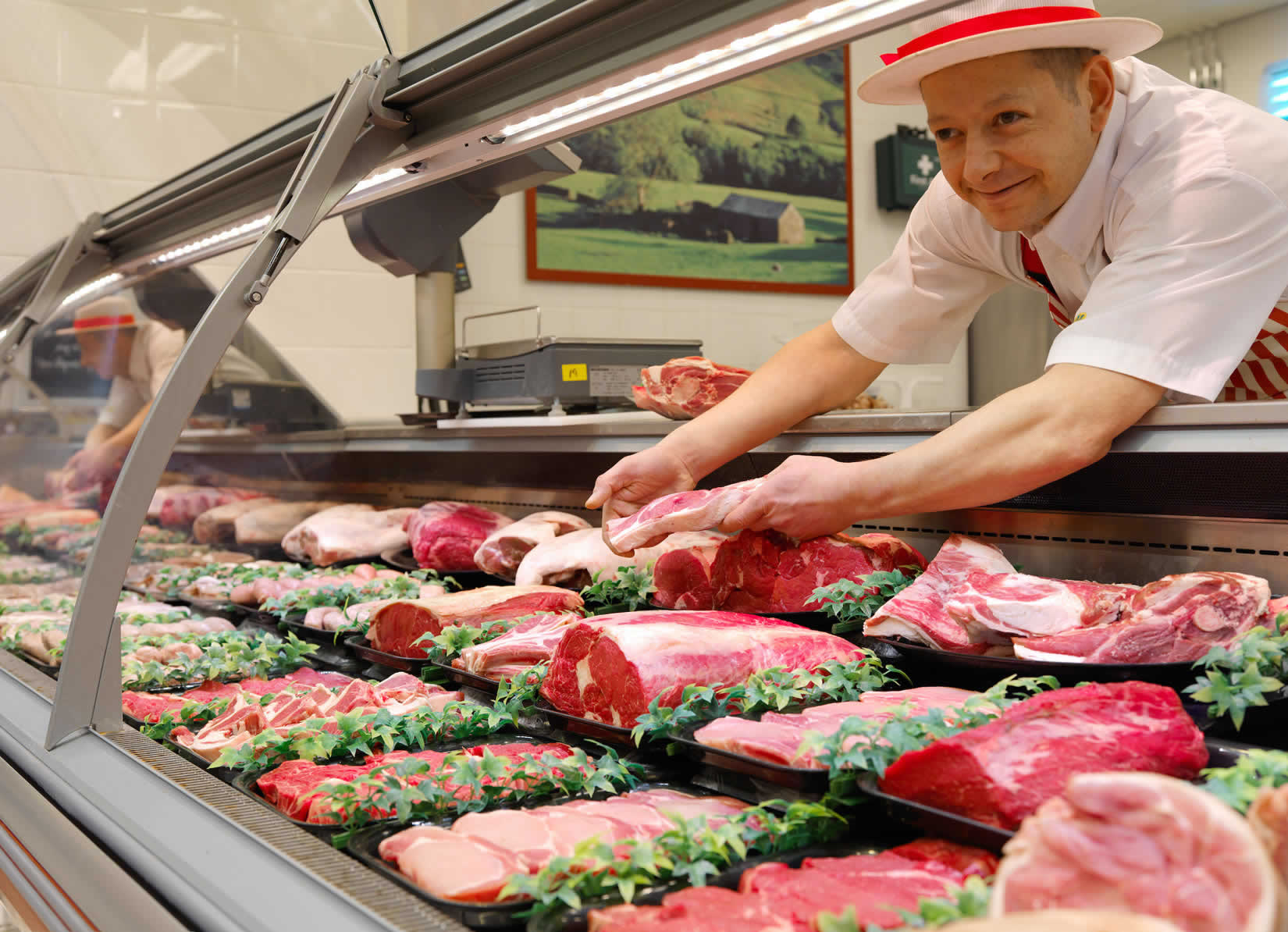
Why Meat Discolors in the Case
Several interrelated factors cause meat to appear brown or dull in display cases:
- Light exposure: Certain wavelengths accelerate oxidation, causing myoglobin in meat to turn brown. Standard fluorescent or harsh LEDs can exacerbate this effect.
- Oxygen and packaging:Even vacuum-sealed or modified atmosphere packages may allow limited oxygen exchange, triggering gradual color changes.
- Airflow and case temperature:Uneven cooling or strong draft patterns can dry surfaces, alter moisture content, and increase perceived discoloration.
- Handling practices:Frequent restocking, stacking, or leaving cuts exposed to ambient air can compound visual degradation.
Addressing these factors systematically helps retain natural red color and shopper confidence.
The Role of Lighting in Meat Discoloration
Lighting is often overlooked as a primary driver of brown edges:
- Harmful spectra:High-intensity or unbalanced lights can trigger chemical reactions in surface pigments, leading to oxidation.
- Overexposure:Meat closest to bright lights or top shelves may brown faster than cuts on lower shelves.
- Glare and reflections:Poorly positioned lights create hotspots, exaggerating gray or brown areas.
- Practical Fix:Switch to food-safe LEDs like Promolux that emit wavelengths optimized for meat. They slow pigment oxidation and maintain consistent color without introducing heat that stresses refrigeration.
Airflow and Temperature Management
Even perfectly packaged meat can appear brown if airflow or temperature is inconsistent:
- Cold spots vs warm zones:Uneven temperatures can cause some cuts to dry or oxidize faster.
- Drafts and direct vents:Strong airflow can desiccate surface proteins, dulling red color.
- Practical Fixes:Verify that the display case delivers uniform temperatures across all shelves.
Adjust vent placement to avoid direct air streams on exposed meat.
Use night covers or partial case shields after hours to stabilize temperature and humidity.
Packaging and Handling Adjustments
Color shifts are often exaggerated by handling or packaging:
- Modified atmosphere packaging (MAP):Ensure gas composition matches product type and is stored at proper temperatures.
- Vacuum packs:Check for leaks or pressure loss that introduces oxygen.
- Daily rotation:Minimize exposure to air when restocking; keep meat in refrigerated staging areas until placed in the case.
Small operational changes often yield immediate improvements in perceived color without altering supplier relationships.
Quick On-Shelf Remedies for Managers
Retail operators can implement practical fixes immediately:
- Assess current lighting:Evaluate each shelf for brightness, shadow, and heat impact. Swap harmful fixtures for meat-optimized LEDs if needed.
- Adjust airflow: Use baffles or reposition vents to minimize direct drafts on exposed cuts.
- Monitor temperature:Check for uniform cooling across tiers and correct imbalances.
- Optimize rotation:Implement staging procedures to reduce air exposure before products reach the front row.
- Train staff:Make color observation part of daily checks; remove or rotate affected cuts before browning is noticeable to customers.
These steps reduce visual shrink and preserve the perceived quality of fresh meat.
The Financial and Operational Impact
Discolored meat affects profitability in several ways:
- Reduced sales:Customers avoid brown or gray-edged cuts, lowering sell-through rates.
- Increased waste:Unsold meat may need to be discarded prematurely.
- Staff time: Employees spend additional hours rotating or handling products to maintain shelf appeal.
By targeting lighting, airflow, and handling, stores can reduce waste, improve efficiency, and maintain shopper trust without renegotiating supplier contracts.
Integrated Solutions for Long-Term Results
For lasting impact, combine operational improvements with technology:
- Food-Safe LED Lighting:Protects meat color and slows oxidation without adding heat.
- Night Covers:Maintains stable temperatures during off-hours, reducing overnight discoloration.
- Regular Case Maintenance: Clean shelves and vents to prevent airflow blockages and hotspots.
- Data Tracking: Monitor shrink rates and customer feedback to identify ongoing issues.
An integrated approach ensures consistent color, reduces product loss, and enhances overall operational efficiency.
Conclusion
Brown discoloration in fresh meat cases is rarely inevitable. Harmful lighting, oxygen exposure, and uneven airflow are often the root causes. By implementing food-safe LEDs, adjusting airflow, stabilizing temperature, and training staff on handling practices, store managers can maintain vibrant, appealing meat displays without changing suppliers.
These practical interventions reduce shrink, preserve product quality, and maintain customer confidence ultimately supporting both profitability and operational efficiency.
For professional guidance and solutions tailored to meat display case lighting and preservation, visit www.meatlighting.com and discover how to keep your fresh meat looking its best every day.