A practical setup guide for chicken and turkey in wrapped trays and service displays
Poultry is a highly visual product in grocery and meat retail. Customers judge quality by the color of the skin and overall appearance of chicken and turkey. Even slight discoloration yellowing of fat or a grayish tinge on skin can reduce perceived freshness and discourage purchase. Proper display case lighting is a critical factor in maintaining natural appearance while ensuring product safety and shelf life.
This guide provides practical recommendations for store managers and meat department professionals who want to optimize poultry presentation in both packaged trays and service displays.
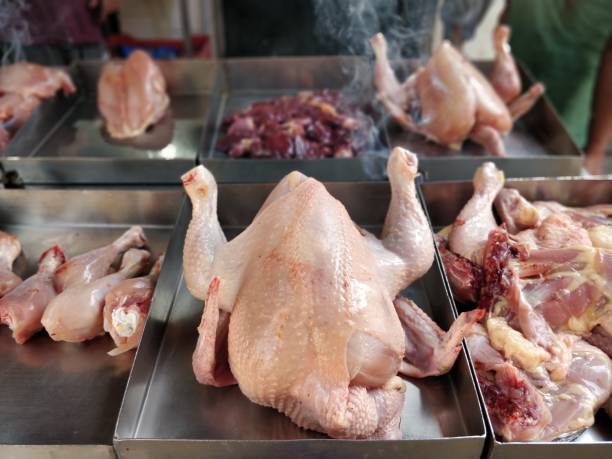
Why Poultry Appearance Matters
Visual quality drives poultry sales. Customers expect:
- Even, natural skin color: Pale pink with subtle yellow fat areas; any gray tones suggest age or spoilage.
- Moisture retention: Dry or dehydrated skin reduces appeal and may affect taste.
- Uniform appearance across trays: Consistency reassures shoppers and reduces shrink.
Lighting directly influences these factors. Improper spectrum, placement, or intensity can exaggerate discoloration, create shadows, or cause reflections that obscure product quality.
Understanding Poultry Color and Light Sensitivity
Poultry skin color is influenced by diet, age, and storage conditions. Lighting affects perception and actual quality:
- Yellow cast: High-intensity or unbalanced lighting can emphasize natural pigments in fat, making skin appear unnaturally yellow.
- Gray skin: Oxidation of myoglobin and moisture loss, accelerated by harmful light wavelengths, can dull pink tones.
- Surface texture: Harsh or uneven lighting can make the skin appear dry or rough, even when moisture levels are adequate.
Selecting lighting that preserves natural hues without accelerating chemical or visual degradation is essential.
Choosing the Right Lighting Spectrum for Poultry
Lighting should support natural color without creating false impressions:
- Balanced spectrum LEDs: Ensure skin tones appear natural and highlight subtle differences in fat.
- Low ultraviolet and blue content: Prevents accelerated oxidation, preserving pinkness in meat.
- Moderate intensity: Avoids reflections or glare that make trays look uneven or overexposed.
Testing lighting directly on poultry products in your case is recommended before full implementation to confirm that skin color is accurate and appealing.
Placement Strategies for Optimal Visibility
Lighting placement determines how customers perceive poultry:
- Top Rail Lighting: Provides primary illumination, enhancing overall tray appearance and highlighting natural skin tones.
- Shelf Lighting: Ensures front-to-back visibility, especially in deeper service displays where shadows can dull appearance.
- Vertical Corner Lighting: Illuminates tray edges and reduces dark spots, maintaining a uniform look across the pan.
Tip: Check from multiple customer angles to ensure even color and minimal glare.
Temperature and Airflow Considerations
Lighting interacts with refrigeration and airflow, affecting both appearance and shelf life:
- Thermal impact: Even low-heat LEDs generate some warmth; excessive heat can accelerate color change and moisture loss.
- Air circulation: Proper airflow prevents localized temperature spikes that can cause gray skin or dry edges.
- Humidity control: Maintaining slightly elevated humidity helps retain moisture in skin and meat, supporting natural color.
Combining proper lighting with case management ensures both visual appeal and product quality.
Packaging and Tray Effects
Poultry is displayed in both wrapped trays and open service cases. Packaging influences lighting effectiveness:
- Clear film trays: Provide full light penetration but may produce glare; adjust angles to reduce reflections.
- Tray color: Dark trays absorb light, which can mute appearance; light trays reflect light but may exaggerate yellowing if lighting is too strong.
- Depth and stacking: Ensure even illumination from top to bottom to avoid shadowed areas that appear gray or dull.
Selecting compatible packaging and lighting together enhances the visual appeal of poultry displays.
Operational Best Practices
To maintain the best appearance consistently:
- Rotate trays to ensure even light exposure and prevent uneven discoloration.
- Monitor case temperature, airflow, and humidity for consistency across the display.
- Train staff to identify early signs of yellowing or gray tones and take corrective action.
- Track shrink and returns to spot patterns that may indicate lighting or case issues.
These practices, alongside optimized lighting, help reduce shrink, improve visual quality, and support sales.
Conclusion
Poultry appearance drives customer confidence and purchase decisions. Improper lighting can exaggerate yellow fat, create gray skin tones, or obscure natural texture, reducing sales and increasing shrink. By selecting a balanced light spectrum, placing lights strategically, managing airflow and temperature, and coordinating with packaging, retailers can present chicken and turkey that consistently looks fresh and appealing.
Properly implemented poultry case lighting enhances customer trust, supports operational efficiency, and reduces waste. For professional lighting solutions specifically designed for meat and poultry displays, visit www.meatlighting.com to explore options that protect product quality and drive sales.