Reducing glare, improving tag clarity, and keeping packaging colors from looking “off.”
In retail meat departments, packaging and labeling are critical communication tools. Shoppers rely on color, product information, and price visibility to make confident purchasing decisions. Yet, harmful lighting in display cases can distort packaging colors, obscure pricing, and even affect perceived freshness. These subtle effects may seem minor, but they can directly impact sales, customer satisfaction, and shrink.
This guide explains how lighting affects packaged meat displays and offers practical steps to maintain clarity, accuracy, and shopper trust.
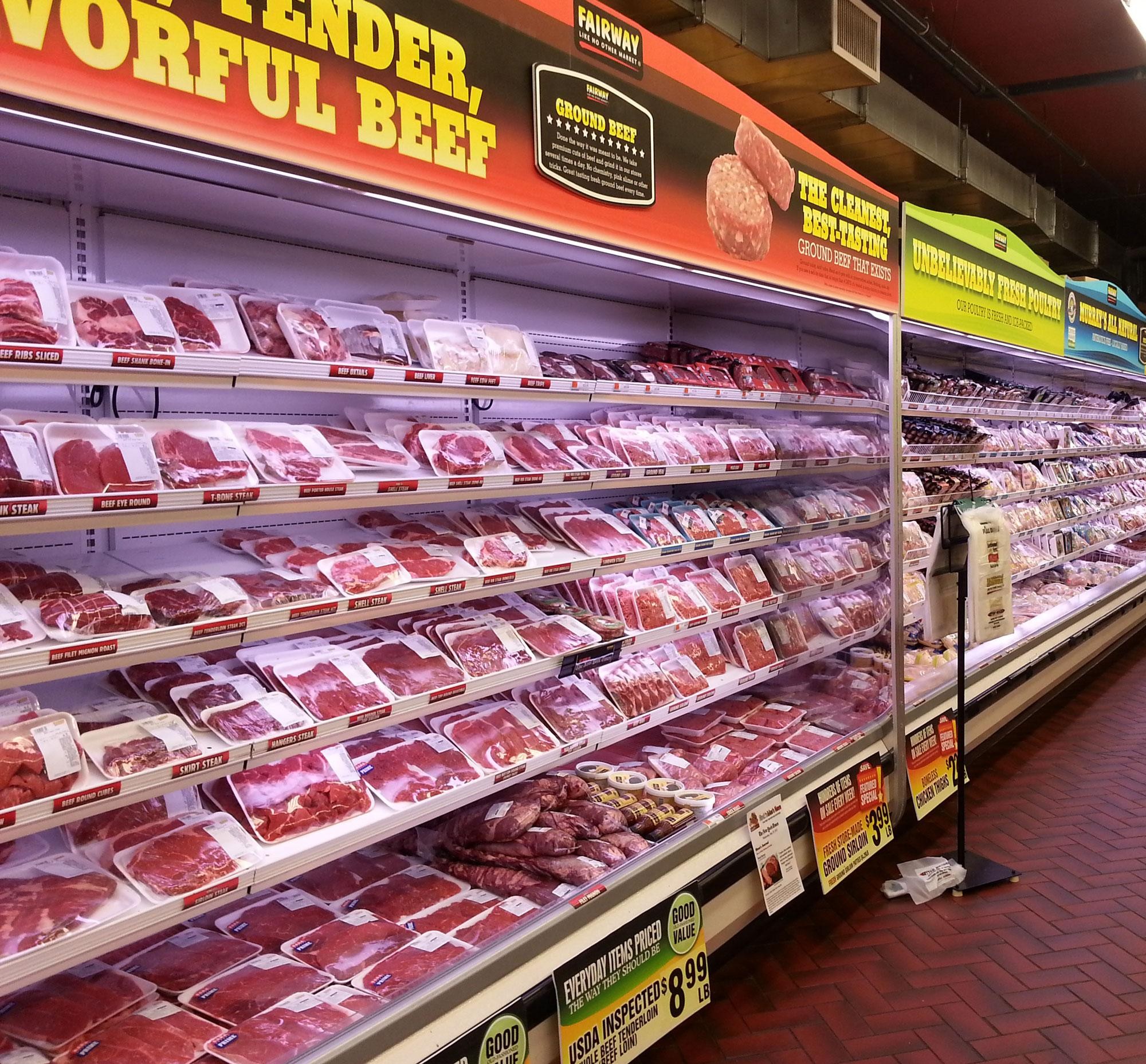
Why Packaging Appearance Matters
Packaged meats are evaluated by consumers based on both product and packaging. Bright or poorly balanced lights can cause:
- Color shifts in labels: Whites may look yellow, reds can appear dull, and blues may look washed out.
- Reduced readability of pricing: Glare or reflections obscure printed prices and product information.
- Perceived product quality changes: Misleading label colors can make the meat itself seem less fresh or trustworthy.
Maintaining accurate label colors and visibility is essential not only for compliance with pricing laws but also for reinforcing brand credibility.
How Harmful Lights Cause Issues
- Excessive Brightness: Overly intense lights create hotspots that glare off glossy labels and shrink-wrap packaging. Shoppers struggle to read prices or see product details.
- Unbalanced Spectrum: Lighting with too much blue or yellow can distort the appearance of printed labels. Colors may appear off, causing confusion or reducing perceived quality.
- Poor Placement: Light sources too close to labels or angled incorrectly create reflections, particularly on transparent film or cellophane wraps.
- Heat Contribution: Even small amounts of heat from some traditional lighting can affect shrink-wrap tension, causing labels to wrinkle or curl, further reducing legibility.
Operational Strategies to Protect Label Appearance Adjust Light Placement:
Adjust Light Placement:
- Position fixtures to illuminate products evenly without shining directly onto labels.
- Use angled or diffused lighting to prevent hotspots and glare on packaged surfaces.
Choose Balanced Spectrum LEDs:
- CPI-focused LEDs maintain true label colors while protecting meat appearance.
- Balanced-spectrum lighting ensures reds, whites, and other critical hues appear natural to shoppers.
Control Intensity:
- Reduce brightness for sections where reflective packaging is used.
- Dim or zone lighting to match case layout and product orientation, minimizing glare while maintaining adequate illumination.
Evaluate Viewing Angles:
- Walk aisles from multiple perspectives to ensure labels are legible from all common shopper positions.
- Adjust fixtures to avoid reflections from ceiling lights or nearby windows.
Regular Maintenance:
- Clean light diffusers and case glass to remove dust or grease, which amplifies glare.
- Inspect labels for curling or misalignment caused by lighting heat or case humidity.
Case-Specific Considerations
Self-Service Multi-Deck Cases: Shoppers often bend down or stand at angles to read labels on bottom trays. Properly angled vertical lighting reduces shadowing and maintains clarity across all levels.
Service Counters: Butcher shop counters benefit from focused lighting on product and label simultaneously. Task lighting for staff should not interfere with front-facing label visibility.
Mixed Merchandising Areas: For displays with both loose and pre-packaged cuts, balance lighting to show meat color accurately without compromising the printed information on packaged products.
Benefits of Correct Lighting for Labels
- Improved Customer Confidence: Accurate color and readable labels increase trust, making shoppers more likely to purchase and return.
- Reduced Pricing Errors: Clear visibility of tags reduces cashier disputes and accidental mispricing.
- Lower Shrink: Products that look visually appealing and labels that are legible reduce the likelihood of returns or discarded items due to perceived spoilage.
- Brand Integrity: Maintaining consistent label appearance reinforces brand identity, both for in-house and supplier packaging.
Checklist Before Upgrading Display Lighting
- Confirm the light spectrum preserves packaging colors without affecting meat appearance.
- Ensure fixture placement prevents direct glare on labels.
- Adjust intensity and angle to suit reflective or glossy surfaces.
- Evaluate across all viewing angles, including top-down and lower trays.
- Check that heat output is minimal to avoid label curling or shrink-wrap distortion.
- Clean fixtures and glass regularly for optimal clarity.
Conclusion
Lighting is often thought of solely in terms of product display, but in packaged meat sections, label readability and price visibility are just as critical. Improper lighting can distort colors, reduce legibility, and negatively affect shopper perception, impacting both sales and brand reputation.
By choosing balanced-spectrum, low-heat LEDs, positioning lights strategically, and regularly maintaining fixtures, meat departments can protect both product appearance and packaging clarity. Proper lighting increases shopper confidence, reduces shrink, and ensures that pricing information remains accurate and easy to read.