Introduction
In modern meat retail environments, visual appeal plays a critical role in consumer purchasing decisions. However, one of the most overlooked scientific issues affecting meat quality is myoglobin oxidation meat, which directly influences color, freshness perception, and sales performance in illuminated display cases.
Even when meat is properly stored under refrigeration, exposure to lighting in retail environments can trigger chemical changes that reduce visual quality. This is a major concern in meat display lighting, where maintaining both attractiveness and freshness is essential for profitability and customer trust.
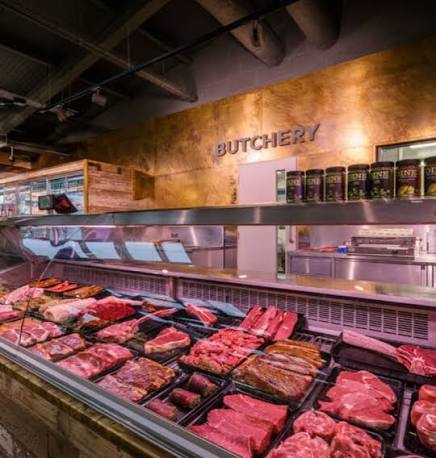
- Understanding Myoglobin and Meat Color Stability: Myoglobin is the protein responsible for the red color in fresh meat. Its chemical state determines whether meat appears bright red, brown, or dull.
Key color states include:- Oxy-myoglobin (bright red, fresh appearance)
- Metmyoglobin (brown, less fresh appearance)
- Deoxymyoglobin (purplish tone, oxygen-limited state)
When oxidation occurs, metmyoglobin formation increases, causing meat to appear older even if it is still safe for consumption. This directly affects meat color stability, which is one of the strongest visual cues for shoppers.
- Role of Light in Triggering Oxidation
Retail lighting is not just for visibility.it is a chemical trigger. Exposure to light accelerates oxidation reactions in meat surfaces.
This process is known as light induced oxidation meat, where photons interact with oxygen and pigments, accelerating chemical breakdown.
In poorly optimized systems, meat display case lighting can significantly speed up discoloration, reducing shelf appeal within hours rather than days. - How Spectral Composition Impacts Meat Quality
Not all lighting has the same effect on meat. The wavelength and spectral distribution determine how strongly oxidation reactions occur.
Modern spectral power distribution meat lighting systems are designed to minimize harmful wavelengths that accelerate pigment breakdown.
However, when lighting is not optimized:- Blue wavelengths increase oxidation rate
- Certain spectra intensify surface degradation
- Improper lighting leads to uneven color changes
This creates instability in meat quality preservation, even under controlled refrigeration.
- Lipid Oxidation and Its Connection to Discoloration
Color changes in meat are not only due to myoglobin but also linked to fat oxidation.
Lipid oxidation meat processes generate reactive compounds that further accelerate pigment breakdown. This creates a chain reaction that affects both flavor and appearance.
As oxidation progresses:- Fresh red tones fade
- Brown discoloration spreads
- Shelf life decreases significantly
This reduces effectiveness in extend meat shelf life retail strategies used by supermarkets and butcher shops.
- Photooxidation and Surface Degradation
Light exposure triggers a process known as photooxidation, which impacts both proteins and fats in meat.
Photooxidation meat leads to:- Faster surface discoloration
- Increased protein breakdown
- Reduced visual freshness
This is intensified in environments using strong or poorly calibrated meat display lighting, especially in open refrigerated cases.
- Temperature Interaction with Lighting Effects
Lighting not only affects chemical reactions but can also increase surface temperature slightly. Even small increases accelerate oxidation rates.
This contributes to:- Faster meat degradation rate
- Reduced meat freshness indicators
- Lower perceived quality during display hours
Combined with oxidation, this makes temperature-light interaction a major factor in refrigerated meat display performance.
- Impact on Retail Sales and Consumer Perception
Consumers rely heavily on color as a freshness indicator. When oxidation occurs, sales decline even if the product is still safe.
Key effects include:- Reduced improve meat display sales
- Increased reduce shrink meat department losses
- Lower customer trust in freshness
- Faster product markdowns
This directly impacts profitability in supermarket meat lighting environments.
- Why Lighting Design Matters in Butcher Shops
In butcher shops, lighting must balance visibility with product preservation. Poor lighting design accelerates oxidation and reduces product appeal.
Effective butcher shop lighting systems:- Minimize harmful wavelengths
- Maintain consistent color rendering
- Reduce oxidation speed
- Improve customer perception
This supports better meat merchandising optimization and strengthens overall retail performance.
- Scientific Control of Meat Display Environments
Controlling oxidation requires a scientific approach combining lighting, refrigeration, and airflow design.
Modern commercial meat lighting solutions focus on:- Controlled spectral output
- Reduced oxidative stress exposure
- Balanced illumination levels
- Improved display efficiency
These systems enhance retail meat quality control, ensuring consistent product appearance across all display hours.10. Reducing Oxidation Through Advanced Lighting Systems
The most effective way to reduce oxidation is through optimized lighting technology.
Food safe lighting meat solutions help: - Slow down pigment breakdown
- Maintain bright red coloration longer
- Reduce chemical degradation rates
- Improve overall shelf appeal
These technologies are essential for improving meat quality preservation in high-volume retail environments.
Conclusion
Myoglobin oxidation is a key scientific factor behind meat discoloration in retail environments. When combined with improper lighting, it accelerates color degradation, reduces shelf life, and negatively impacts consumer perception.
By using optimized meat display lighting and controlling spectral exposure, retailers can significantly improve meat color stability, reduce losses, and enhance overall product presentation.
For More Information
For more insights on advanced meat lighting technologies and retail display optimization, visit https://www.meatlighting.com. The platform provides specialized solutions designed to improve meat color stability, enhance display performance, and support efficient supermarket meat merchandising systems.