How to avoid “muddy” reds and lost contrast on darker products and labels
Smoked meats and sausages are visually rich products that depend on color contrast and texture to attract buyers. Dark reds, deep browns, and marbled textures convey quality and flavor, but poor lighting can make these products appear flat, dull, or unappealing. This affects customer perception and may reduce sales.
Optimizing lighting in display cases for smoked meats and sausages requires understanding how spectrum, intensity, and placement interact with the product’s natural hues and packaging. This guide helps store managers and meat department professionals make informed lighting decisions to enhance visual appeal without compromising product quality.
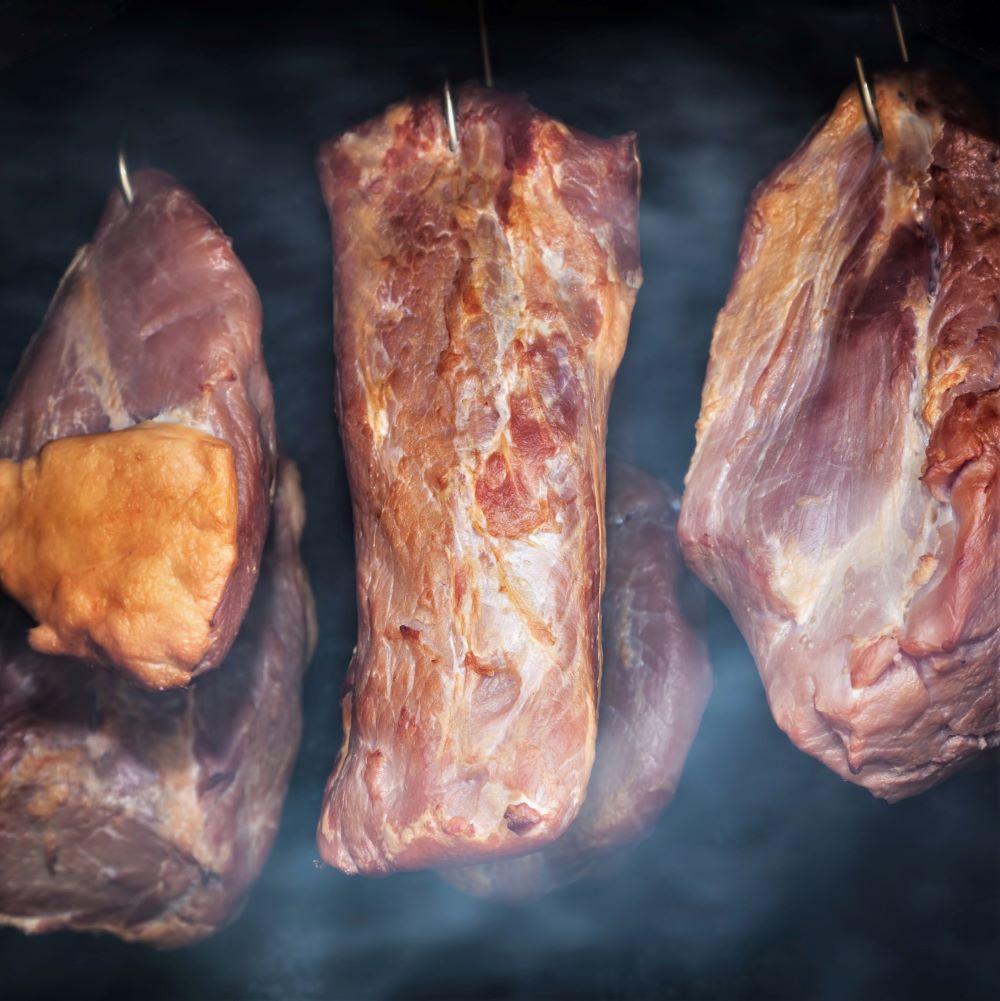
Why Proper Lighting Matters for Smoked Meats
Customers often evaluate smoked meats visually before smelling or tasting. Lighting impacts perception in several ways:
- Color fidelity:Accurate reds, browns, and marbled highlights signal freshness and flavor.
- Label visibility: Dark packaging can blend with shadows, making product information harder to read.
- Texture perception:Proper illumination shows marbling, casing details, and surface moisture.
Poor lighting can cause reds to appear brown or muddy, reduce contrast between sausages and their casings, and make cured meats look dry or less vibrant.
Choosing the Right Light Spectrum
Lighting spectrum determines how colors appear under display conditions:
- Balanced-spectrum LEDs: Reproduce natural reds and browns without exaggerating yellow tones.
- Low ultraviolet content:Prevents oxidation of lipids in meat, preserving color and flavor.
- Moderate intensity:Avoids glare that can flatten texture and hide subtle marbling.
Before installation, test lighting directly on representative products to confirm accurate color rendering, including sausages with darker casings and smoked hams.
Placement Guidelines for Smoked Meats
Lighting placement is crucial to avoid shadows and ensure consistent visibility:
- Top Rail Lighting:Highlights the product face and shows natural marbling.
- Shelf Lighting:Illuminates front and back rows evenly, preventing the back row from appearing darker.
- Vertical Corner Lighting: Reduces shadows in deeper cases and maintains contrast across trays.
Tip: View the display from multiple customer angles to verify even color and label readability.
Packaging Considerations
Smoked meats often come in vacuum packs, casings, or trays:
- Transparent packaging:Allows full light penetration but can produce glare; adjust angles to reduce reflection.
- Dark trays or labels:May absorb light and flatten appearance; consider slight light angle adjustments or reflectors.
- Stacked products:Ensure each layer receives enough illumination to maintain color contrast and texture visibility.
Coordinating packaging and lighting improves perceived freshness and reduces the risk of “muddy” visuals.
Temperature and Moisture Factors
Lighting interacts with refrigeration and airflow, influencing both visual appeal and product quality:
- Heat output:Even low-heat LEDs generate some warmth; excessive heat can affect casing color or moisture.
- Airflow:Proper circulation prevents localized temperature variations that cause surface drying or discoloration.
- Humidity control:Maintains moisture levels in sausages and smoked meats, supporting natural appearance.
Balancing these factors ensures products look appealing while remaining safe and fresh.
Operational Best Practices
To maintain quality and appearance consistently:
- Rotate trays regularly for even exposure.
- Check lighting angles and brightness periodically to maintain accurate color.
- Train staff to spot early signs of discoloration or drying and take corrective measures.
- Monitor shrink and returns to detect any recurring display or lighting issues.
Following these practices reduces waste, improves customer perception, and supports sales.
Real-World Benefits
Proper lighting for smoked meats and sausages provides tangible results:
- Enhanced sales:Natural, vibrant color attracts customers and drives purchasing.
- Reduced shrink:Even lighting helps prevent product rejection due to visual defects.
- Improved brand perception:Accurate display lighting reinforces quality messaging and encourages repeat visits.
- Staff efficiency:Consistent product appearance reduces the need for constant rearrangement or corrective handling.
Retailers who implement best practices in lighting see measurable improvements in both customer satisfaction and operational efficiency.
Conclusion
Smoked meats and sausages are highly visual products where color, texture, and contrast influence buying decisions. Poor lighting can flatten reds, obscure marbling, and reduce label readability, negatively affecting sales and customer perception. By selecting balanced-spectrum LEDs, strategically placing lights, coordinating with packaging, and controlling temperature and airflow, retailers can ensure these products look fresh, appealing, and high-quality.
Optimized lighting protects both product and brand, reduces shrink, and enhances customer trust. For professional solutions designed to preserve color, contrast, and appearance in meat display cases, visit www.meatlighting.com to explore case-specific lighting options that drive sales and improve operational performance.