What makes the front row look different from the back row and how lighting can reduce the gap
In retail butcher cases and grocery meat departments, ground beef is one of the most sensitive products when it comes to visual appeal. Customers judge freshness almost exclusively by color, yet it is common to see noticeable differences between the front row and the back of the pan. Uneven color can reduce sales, increase shrink, and create the impression of poor quality, even when the meat is fresh. Understanding how lighting, packaging, and display case dynamics interact is essential for achieving consistent color presentation.
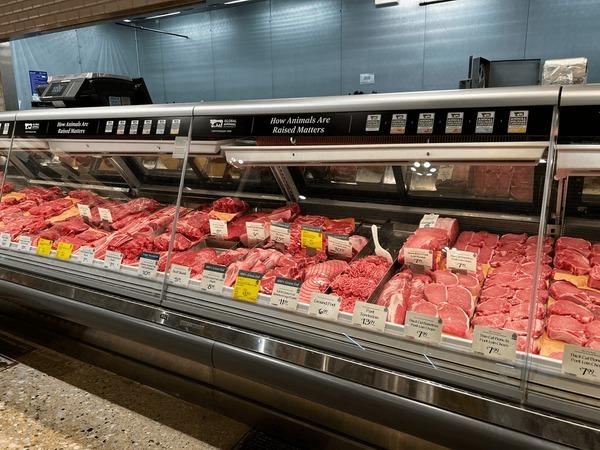
Why Color Consistency Matters in Ground Beef
Shoppers often select ground beef based on the appearance of the first pieces they see. Any perceived discoloration, such as browning in the back row, can:
- Reduce buyer confidence, leading customers to choose other products.
- Increase product turnover as staff rotate items more aggressively.
- Contribute to shrink from perceived “unsellable” portions.
Even when the product is safe and properly stored, lighting and display factors heavily influence perceived quality.
The Role of Lighting in Ground Beef Displays
Lighting directly affects how meat color appears. Ground beef contains myoglobin, which changes color depending on oxygen exposure and light conditions. Improper lighting can accelerate perceived browning and create uneven front-to-back color differences.
Key effects of lighting include:
- Oxidation acceleration: High-intensity or unbalanced spectrum lights can trigger chemical changes, especially in the back of the pan, making beef appear darker.
- Shadowing: Top-mounted lights can illuminate the front row well while leaving the back row in relative darkness, exaggerating color differences.
- Glare on tray wrap: Reflections from overhead or angled lights can distort red tones, making some portions look less appealing.
Switching to food-safe LEDs, designed for meat displays, reduces oxidative stress and maintains natural red hues across the entire pan.
Airflow and Case Design Considerations
Lighting alone is not enough to ensure uniform color. Display case airflow and temperature control also play critical roles:
- Front-to-back temperature gradients: Uneven airflow can cause the back of the pan to warm slightly more, accelerating oxidation and color change.
- Moisture retention: Proper airflow maintains humidity, keeping ground beef from drying and developing gray edges.
- Case depth and shelf layout: Shallow cases allow better light penetration, while deeper pans may require supplemental shelf or corner lighting.
- By combining lighting strategy with careful case management, retailers can reduce front-to-back color discrepancies.
Practical Lighting Placement Strategies
Optimizing lighting for ground beef requires attention to placement and type:
- Top Rail Lighting: Provides primary illumination, enhancing color in the front row. Ensure the intensity is balanced to prevent overheating or reflections.
- Shelf or Under-Shelf Lights: Fill in darker areas toward the back of the pan, reducing shadows and highlighting the entire display.
- Vertical Corner Lighting: Complements top and shelf lights by illuminating edges and corners, helping to maintain even color throughout the case.
Tip: Always evaluate lighting from a customer’s viewpoint, checking both front and back rows to ensure uniformity.
Choosing the Right Spectrum
The wavelength of light impacts how meat appears. Retailers should consider:
- Red-boosting LEDs: Enhance natural red tones without accelerating oxidation.
- Balanced spectrum lighting: Preserves myoglobin while maintaining accurate perception of fat and marbling.
- Minimized blue or ultraviolet output: Reduces chemical reactions that cause premature browning.
Lighting that emphasizes natural color without altering perception ensures customers see fresh, high-quality ground beef every time.
Packaging and Tray Considerations
The way ground beef is packaged also influences color perception:
- Clear film: Allows direct light exposure but can reflect glare. Use angled or diffused lighting to minimize reflections.
- Tray color: Dark trays absorb light, reducing brightness; light-colored trays reflect light but can exaggerate oxidation differences.
- Portion depth: Thinner layers expose more surface area to light and oxygen, making uniform illumination easier.
Combining proper packaging with optimized lighting enhances front-to-back color consistency.
Operational Best Practices
Retailers can take additional steps to maintain color consistency:
- Rotate pans regularly to ensure even light exposure and oxygen contact.
- Monitor temperature and humidity across the display case to prevent hot spots.
- Train staff to recognize early signs of discoloration and adjust lighting or rotation schedules accordingly.
- Track shrink and sales data to identify sections of the case that may require lighting tweaks.
These practices, paired with a strategic lighting setup, can significantly reduce visual spoilage and enhance customer satisfaction.
Conclusion
Maintaining consistent color across ground beef pans is critical for both sales and perceived quality. Shadows, glare, lighting spectrum, airflow, and case depth all contribute to front-to-back differences. By strategically placing top, shelf, and vertical corner lights, selecting a balanced LED spectrum, and combining these with good case management practices, retailers can ensure that every cut looks fresh, vibrant, and appealing.
Uniform lighting not only improves sales but also reduces shrink, labor, and customer complaints. For professional guidance and lighting solutions tailored to ground beef displays and service meat cases, visit www.meatlighting.com and discover how strategic illumination can enhance both appearance and profitability