What to confirm about color accuracy, lens angle, mounting, drivers, and service access
Lighting in meat display cases is not just about visibility. It directly affects how customers perceive freshness, quality, and safety. Poor lighting can create gray edges on cuts, uneven color in ground meats, or washed-out appearances that discourage purchases. For store managers and grocery operators, choosing the right LED system is a crucial decision that requires careful evaluation.
This checklist provides a practical guide for selecting meat case lighting that enhances product appearance, protects quality, and supports operational efficiency.
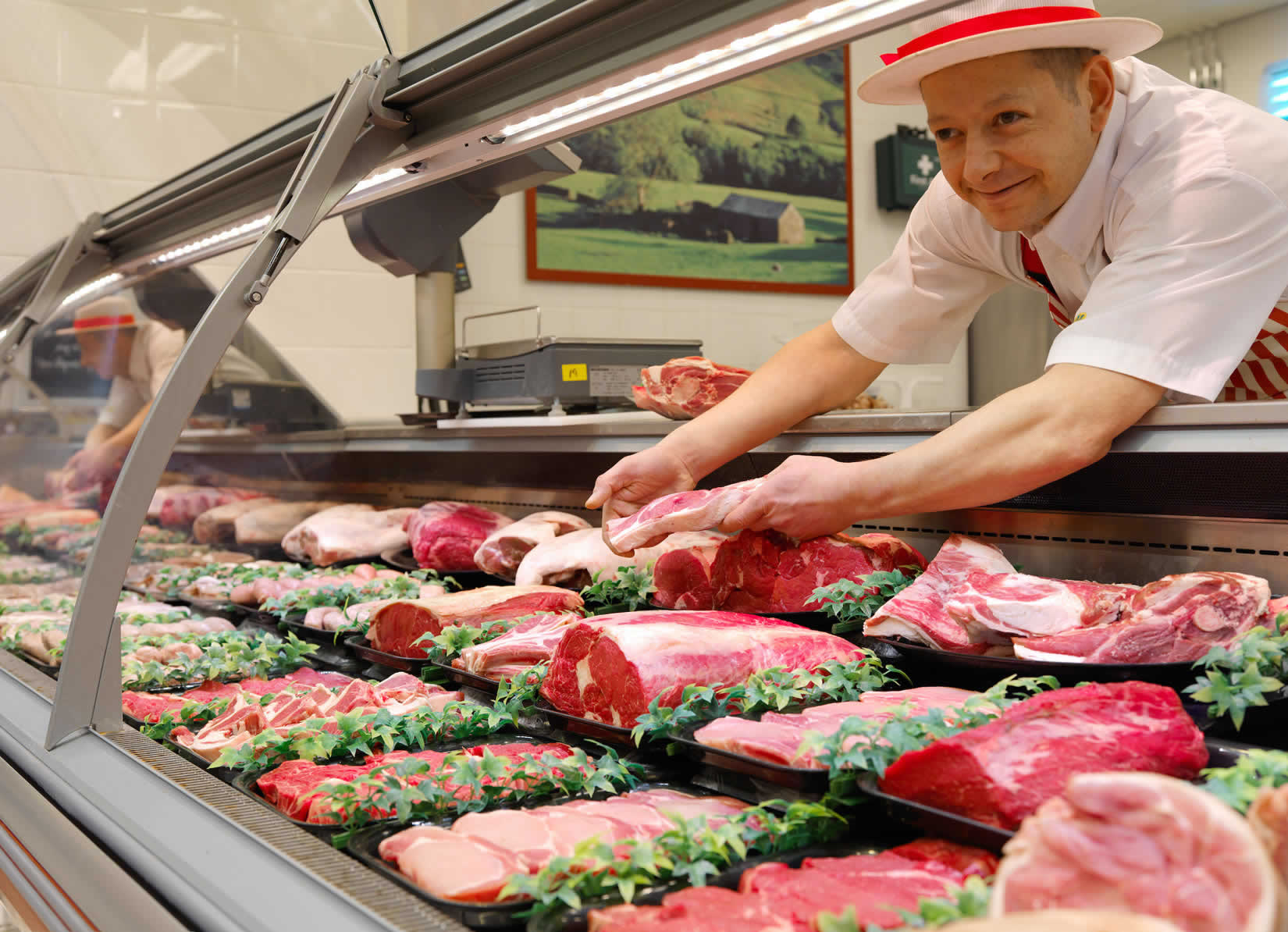
Why Meat Case Lighting Matters
Shoppers often make decisions within seconds of seeing meat products. Lighting impacts:
- Color perception:- Red meats must look naturally vibrant; pale or dull sections suggest age or poor handling.
- Customer confidence: Consistent and accurate color signals freshness and hygiene.
- Waste reduction: Correct lighting reduces discard caused by misperceived spoilage.
- Operational efficiency: LEDs with low heat output reduce stress on refrigeration, helping maintain proper storage conditions.
Understanding these factors ensures that lighting is more than decorative—it becomes a tool for sales and preservation.
Checklist Item 1: Color Accuracy
The first consideration is color reproduction:
- Choose LEDs with high CPI to ensure natural red, pink, and white tones in meat cuts.
- Avoid lights that skew colors toward yellow, orange, or blue, as these can misrepresent freshness.
- Evaluate lighting on actual product samples, not just the bare case, to see real-world results.
- Accurate color presentation builds trust with customers and reduces the risk of perceived spoilage.
Checklist Item 2: Lens Angle and Light Distribution
Light placement determines which parts of the meat are emphasized:
- Narrow angles can create hotspots and shadows, exaggerating gray edges or texture flaws.
- Wide-angle lenses distribute light evenly across the front row, giving uniform appearance to all cuts.
- Test from multiple viewing positions to ensure no shelf areas are underlit or overly bright.
- Proper lens selection enhances product appeal and prevents uneven fading over time.
Checklist Item 3: Mounting and Positioning
Mounting method affects both visibility and service access:
- Ensure lights can be mounted without obstructing cleaning or product rotation.
- Overhead rails should illuminate the front of cuts without casting shadows from upper shelves.
- Consider vertical mounting in corner sections to reduce dark spots on lower tiers.
- Correct placement ensures consistent display quality and ease of case maintenance.
Checklist Item 4: Drivers and Power Supply
Reliable power delivery is essential for consistent lighting performance:
- Verify that LED drivers are compatible with store electrical systems.
- Choose solutions with integrated surge protection and long operational lifespans.
- Easy access for driver replacement reduces downtime and maintenance costs.
- Stable drivers maintain consistent light output, avoiding flicker or dimming that can distort meat appearance.
Checklist Item 5: Heat Output Considerations
Meat is sensitive to temperature fluctuations. LEDs should:
- Emit minimal heat to avoid raising case temperature.
- Complement existing refrigeration without overloading compressors.
- Be evaluated for thermal impact across multiple hours of continuous operation.
- Low-heat lighting helps preserve natural color, texture, and shelf life.
Checklist Item 6: Service Access and Maintenance
Ease of maintenance ensures long-term performance:
- Choose fixtures that can be replaced or cleaned without dismantling the case.
- Accessible mounting reduces labor time for bulb or lens adjustments.
- Confirm manufacturer support for replacement parts and guidance on safe handling.
- Operational efficiency improves when lighting maintenance is straightforward and non-disruptive.
Checklist Item 7: Consistency Across Cases
For stores with multiple meat cases:
- Standardize lighting to maintain uniform color presentation throughout the department.
- Avoid mixing old and new fixtures that produce inconsistent hues.
- Uniform lighting strengthens brand perception and shopper trust.
Checklist Item 8: Energy Efficiency
LEDs are more energy-efficient than traditional fluorescent or halogen lighting, but:
- Compare wattage, lumen output, and heat emission before purchase.
- Lower energy usage reduces electricity bills and refrigeration workload.
- Efficiency gains should not compromise color accuracy or coverage.
- Energy-conscious choices contribute to sustainability goals while protecting product quality.
Checklist Item 9: Operational Testing Before Full Deployment
Before retrofitting an entire department:
- Install a test fixture in a single case to evaluate color, coverage, and heat impact.
- Observe customer response and staff workflow during several operating days.
- Make adjustments to angle, intensity, or mounting before committing to full installation.
- Testing ensures that the final system meets both visual and operational expectations.
Conclusion
Meat display case lighting is a strategic investment that influences product appeal, customer trust, and operational efficiency. Store managers should evaluate color accuracy, lens angle, mounting, driver reliability, heat output, maintenance access, consistency, and energy efficiency before purchasing LEDs.
By following this checklist, retailers can select lighting that preserves natural meat color, reduces perceived spoilage, and supports long-term operational performance. Properly installed, food-safe lighting enhances shopper experience, encourages repeat purchases, and reduces waste.
For professional, food-safe lighting solutions tailored to meat display cases, visit www.meatlighting.com and discover how the right LEDs can protect product quality while boosting sales.